

Sustainable Textile Manufacturing: Technologies Driving a Greener Industry
The textile industry is undergoing a significant transformation as manufacturers look for ways to increase production while reducing their environmental footprint. Sustainability is no longer limited to choosing eco-friendly fibres or recycling textile waste. Increasingly, the focus is moving inside the factory—to the machinery, production processes, energy systems and digital technologies that determine how efficiently resources are used.
This shift is making sustainable textile manufacturing a technology-driven process. From intelligent sensors and automated production systems to water-efficient processing and energy recovery solutions, modern technologies are helping manufacturers reduce waste, optimise resources and build more efficient production facilities.
Why Technology Matters in Sustainable Textile Manufacturing
Textile production involves multiple resource-intensive stages, including spinning, weaving, knitting, dyeing, finishing and garment manufacturing. Inefficiencies at any stage can result in unnecessary consumption of electricity, water, chemicals, raw materials and production time.
Technology can address these inefficiencies by providing manufacturers with greater control over production. Instead of relying only on manual monitoring, factories can collect real-time data, identify process variations and make adjustments before resources are wasted.
This creates an important connection between productivity and sustainability: when a factory operates more efficiently, it can often reduce its environmental impact at the same time.
AI and Smart Sensors for Resource Optimisation
Artificial intelligence and industrial sensors are becoming increasingly relevant to modern textile factories. Sensors can monitor variables such as temperature, humidity, pressure, machine speed and energy consumption throughout production.
The collected data can then be analysed to identify abnormal operating conditions or inefficient processes. For example, a manufacturer may detect that a particular machine is consuming more electricity than expected or that a production stage is using excessive amounts of water.
AI-based systems can help turn this information into actionable insights. Manufacturers can optimise machine settings, identify production bottlenecks and reduce unnecessary resource consumption. This approach moves sustainability from a broad objective to a measurable operational process.
Water-Efficient and Low-Liquor Dyeing Technologies
Dyeing and finishing are among the areas where textile manufacturers can explore significant process improvements. Traditional wet processing can require substantial quantities of water, chemicals and energy.
Modern dyeing technologies are designed to improve the efficiency of these processes. Low-liquor-ratio dyeing systems, for instance, can reduce the amount of water required relative to conventional processes. Improved dosing and automated chemical management can also help manufacturers use more precise quantities of dyes and auxiliaries.
Other technologies, including digital colour management and advanced finishing systems, can reduce repeated sampling and processing by improving accuracy from the beginning.
The objective is not simply to use less water, but to create a more controlled production process in which fewer resources are lost through errors and reprocessing.
Digital Textile Production and Precision Manufacturing
Digital technologies are also changing how textile products are designed and manufactured. Computer-aided design, digital sampling, automated cutting and digitally controlled machinery can reduce material losses and improve production accuracy.
Automated cutting systems, for example, can optimise fabric layouts to make better use of available material. Digital sampling can reduce the need for multiple physical prototypes, particularly during product development.
Precision manufacturing also has another sustainability benefit: fewer production errors can mean fewer rejected garments and less material being sent for rework or disposal. As textile manufacturers move towards shorter production cycles and greater product variety, digital tools can help maintain efficiency without simply increasing resource consumption.
Predictive Maintenance for Greener Factories
A machine that operates inefficiently can consume more energy, produce defects, and eventually cause unplanned downtime. Predictive maintenance technologies provide a way to address these problems before major failures occur.
By monitoring machine performance and identifying changes in vibration, temperature, power consumption or operating behaviour, manufacturers can detect potential maintenance issues at an early stage.
This can extend equipment life and reduce unnecessary replacement of machinery and components. It can also prevent defective production caused by poorly functioning equipment. For sustainable textile manufacturing, predictive maintenance demonstrates that sustainability is not always about introducing a completely new machine. Sometimes, it is about making existing machinery work better for longer.
Energy-Efficient Machinery and Heat Recovery
Energy consumption is another major consideration for textile manufacturers. Modern production equipment is increasingly being designed around improved energy efficiency, while factories can also adopt systems that recover and reuse energy generated during industrial processes.
Variable-frequency drives, efficient motors, automated shutdown systems and energy-monitoring platforms can help reduce unnecessary electricity consumption.
Heat recovery systems can capture heat from industrial processes and redirect it for applications such as water heating or other production requirements. Combined with renewable electricity, energy-efficient machinery can help factories reduce their dependence on conventional energy sources while improving overall operational efficiency.
Smart Factory Platforms and Real-Time Monitoring
The next step is connecting individual technologies into a broader smart manufacturing ecosystem.
A smart textile factory can bring together machinery data, production planning, quality information, energy consumption and maintenance records on a common digital platform. Managers can then monitor performance in real time and identify where improvements are required.
For example, a factory could compare energy consumption between production lines, monitor material utilisation or identify recurring quality problems.
This data-driven approach allows sustainability targets to become measurable key performance indicators rather than broad statements. Manufacturers can track resource consumption per production batch, monitor waste levels and evaluate whether new technologies are delivering the expected results.
Building the Textile Factory of the Future
The future of sustainable textile manufacturing will not depend on one single technology. Instead, progress is likely to come from combining multiple technologies across the production chain.
AI can improve decision-making. Sensors can provide real-time information. Efficient machinery can reduce energy consumption. Advanced dyeing systems can improve water and chemical efficiency. Digital production can minimise material losses, while predictive maintenance can extend equipment life.
The result is a manufacturing model where sustainability and productivity work together.
For textile manufacturers, the transition also creates an opportunity to rethink how factories are designed, operated and measured. The greener factory of the future will not simply consume fewer resources—it will use technology to understand where resources are being consumed, identify inefficiencies and continuously improve performance.
As the textile industry continues to embrace automation and advanced manufacturing technologies, sustainable textile manufacturing is increasingly becoming a question of smarter production. The technologies being developed today can help manufacturers move towards factories that are more efficient, data-driven and resource-conscious while remaining capable of meeting the demands of a competitive global textile market.

More News
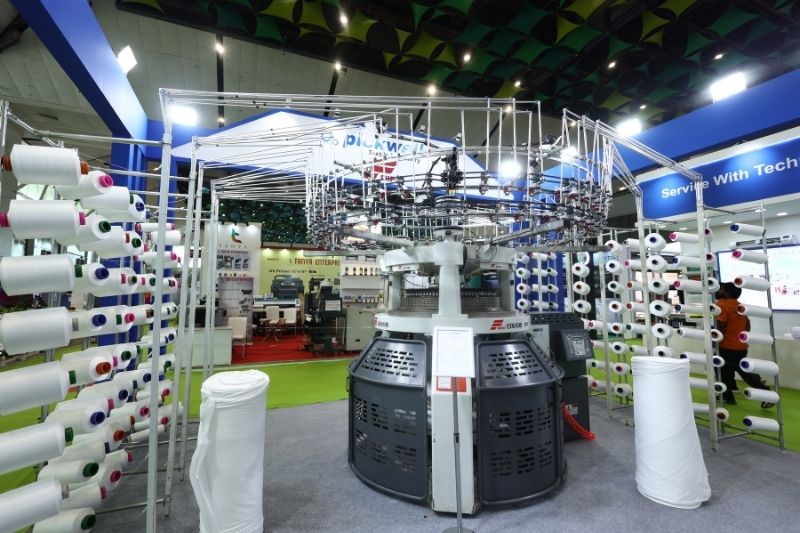
Best Knitting Machinery for Modern Textile Manufacturing
Modern textile production is increasingly shaped by the need for speed, precision, flexibility and consistent quality. As manufacturers respond to changing fashion…View More
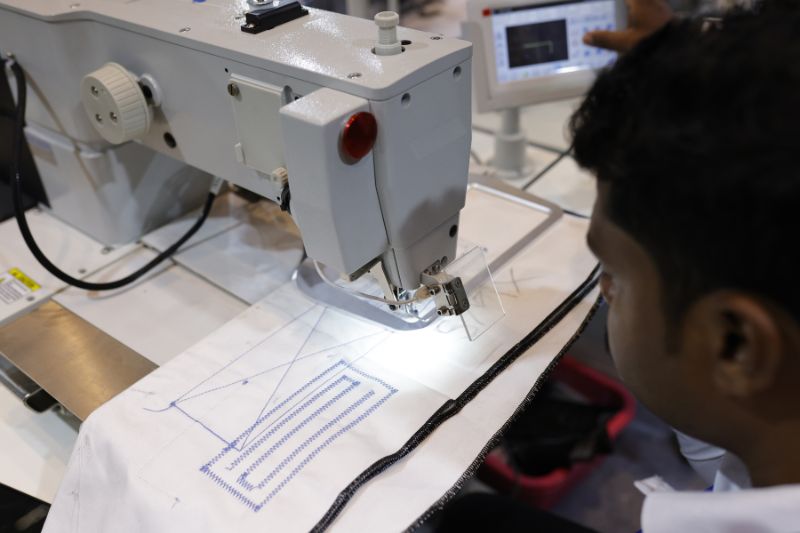
Best Sewing Machines in India: Buying Guide 2026
Garment manufacturing & textile technologies are changing fast. This is because of automation and because people want quality clothes. If you have…View More
Textile Automation: Benefits, Technologies and Future Outlook
The textile industry has always been known for its scale, complexity, and constant need to balance quality, speed, and cost. However, in…View More
Garment Machinery Buying Guide: What Manufacturers Must Consider
The global apparel manufacturing industry is entering a new era of transformation driven by speed, precision, automation, and evolving sourcing expectations. Today’s…View More
Textile Exhibition: Why Every Textile Business Should Participate
The textile industry is evolving rapidly that is driven by shifting consumer preferences, increasing global competition and continuous advancements in manufacturing technologies.…View More

