

Textile Automation: Benefits, Technologies and Future Outlook
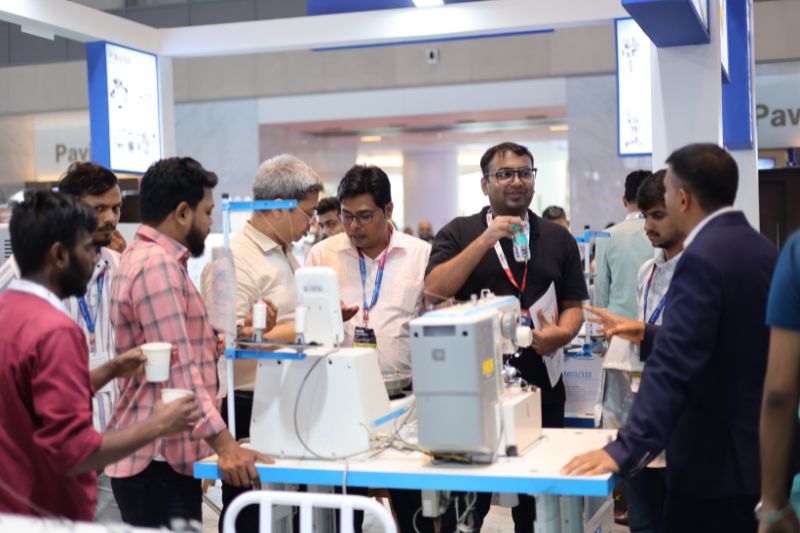
The textile industry has always been known for its scale, complexity, and constant need to balance quality, speed, and cost. However, in today’s highly competitive manufacturing environment, traditional production methods are no longer enough to keep pace with market demands.
From rising labour costs and shorter production cycles to increasing quality expectations and sustainability requirements, manufacturers are under pressure from every direction. This is where textile automation is making a significant impact.
Automation is no longer limited to large-scale factories. Across spinning, knitting, weaving, dyeing, printing, cutting, sewing, and finishing operations, manufacturers are adopting automated technologies to improve efficiency, reduce errors, and stay competitive.
As the industry moves toward smarter manufacturing, understanding the role of automation in textile industry operations has become essential for businesses looking to secure long-term growth.
What is Textile Automation?
Textile automation refers to the use of machines, software, sensors, robotics, and digital technologies to perform manufacturing processes with minimal human intervention.
The goal is simple: improve productivity, enhance consistency, reduce operational costs, and optimize resource utilization.
Automation can be implemented across various stages of textile and garment production, including:
- Fabric manufacturing
- Dyeing and finishing
- Textile printing
- Cutting and spreading
- Sewing and garment assembly
- Material handling
- Quality inspection
- Inventory management
- Production planning
Rather than replacing people entirely, automation allows manufacturers to allocate human resources more effectively while repetitive and time-consuming tasks are handled by technology.
Why Textile Automation is Becoming a Business Priority
The global textile and apparel industry is experiencing rapid transformation. Buyers today expect faster deliveries, better quality, customization, and competitive pricing.
Meeting these expectations using conventional production methods can be challenging.
Several factors are accelerating the adoption of textile automation:
Textile Automation: Increasing Labour Challenges
Labour shortages and rising wage costs continue to affect manufacturing operations across many regions. Automated systems help businesses maintain productivity while reducing dependency on manual processes.
Textile Automation: Demand for Faster Production
Fashion cycles have become shorter than ever. Brands expect quicker turnaround times, making production speed a critical competitive advantage.
Automation helps manufacturers increase output while maintaining quality standards.
Textile Automation: Need for Consistent Quality
Human errors can lead to material wastage, production delays, and customer dissatisfaction.
Automated systems ensure greater accuracy and repeatability throughout the manufacturing process.
Textile Automation: Pressure to Improve Margins
Manufacturers are constantly looking for ways to reduce costs without compromising quality.
Automation improves efficiency, minimizes waste, and helps optimize production resources.
Key Benefits of Textile Automation
Improved Productivity
One of the biggest advantages of textile automation is increased production efficiency.
Automated machines can operate continuously with minimal interruptions, helping manufacturers achieve higher output levels compared to manual operations.
This becomes particularly valuable during peak production periods when order volumes increase significantly.
Better Product Quality
Consistency is a major requirement in textile manufacturing.
Automated systems reduce variations caused by manual handling and ensure uniform production standards across batches.
Whether it is fabric processing, printing accuracy, embroidery precision, or garment assembly, automation contributes to improved quality control.
Reduced Material Waste
Material wastage directly affects profitability.
Automated cutting systems, digital printing technologies, and smart production planning tools help optimize material utilization and reduce unnecessary waste.
This not only lowers production costs but also supports sustainability goals.
Lower Operating Costs
While automation requires an initial investment, the long-term savings can be substantial.
Reduced labour costs, improved efficiency, fewer production errors, and lower wastage often result in a strong return on investment.
Enhanced Workplace Safety
Certain manufacturing processes involve repetitive tasks or potentially hazardous environments.
Automated systems can perform these operations more safely, reducing workplace risks and improving overall working conditions.
Technologies Driving Automation in Textile Industry
Automation is evolving rapidly, supported by advancements in digital technologies and smart manufacturing solutions.
Some of the most influential technologies include:
Automated Cutting Systems
Computer-controlled cutting machines improve precision while significantly reducing fabric wastage.
These systems can process multiple layers of fabric with high accuracy, helping manufacturers increase efficiency and consistency.
CAD/CAM Solutions
Computer-Aided Design (CAD) and Computer-Aided Manufacturing (CAM) systems streamline product development and production planning.
These technologies improve pattern making, marker planning, grading, and production execution.
Digital Textile Printing
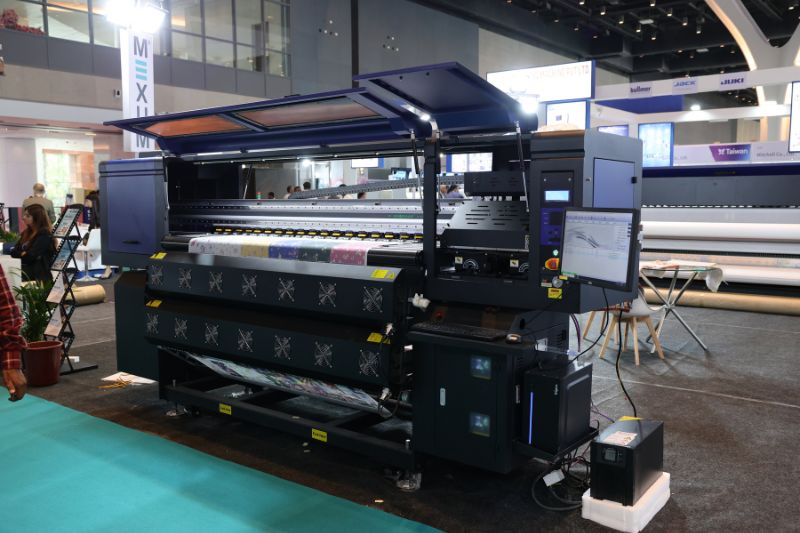
Digital textile printing has transformed textile decoration by enabling faster production, shorter runs, and greater design flexibility.
Automation within digital printing workflows reduces setup times and improves overall operational efficiency.
Smart Sewing and Garment Automation
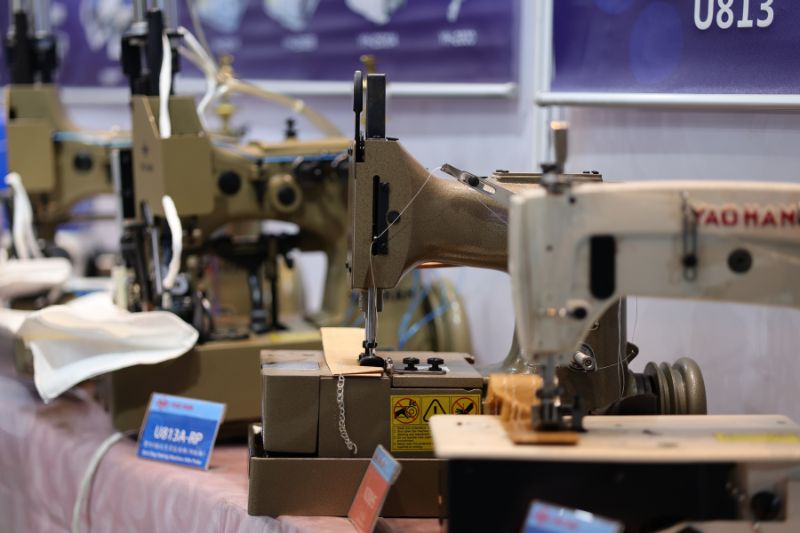
Modern sewing systems incorporate automation features such as programmable stitching, automatic thread trimming, and real-time production monitoring.
These technologies help improve productivity and reduce operator dependency.
Robotics and Material Handling
Robotic systems are increasingly being used for material movement, fabric handling, packaging, and warehouse operations.
This reduces manual effort and improves operational flow.
IoT and Connected Manufacturing
The Industrial Internet of Things (IoT) enables machines to communicate and share production data in real time.
Manufacturers gain better visibility into equipment performance, production efficiency, and maintenance requirements.
Artificial Intelligence and Predictive Analytics
AI-driven solutions help manufacturers analyze production data, predict equipment failures, optimize workflows, and make better operational decisions.
As data-driven manufacturing becomes more common, AI will play an increasingly important role in textile operations.
Challenges Businesses Should Consider
Although the benefits are significant, successful automation requires careful planning.
Manufacturers often face challenges such as:
- Initial investment costs
- Workforce training requirements
- Integration with existing systems
- Change management within organizations
- Technology selection and implementation
The key is to view automation as a long-term business strategy rather than a short-term expense.
Many manufacturers begin by automating specific processes before expanding automation across multiple departments.
Future Outlook: The Rise of Smart Textile Manufacturing
The future of textile manufacturing will be defined by connected, intelligent, and data-driven production environments.
Smart factories are already becoming a reality, where machines, software, and production systems work together seamlessly.
In the coming years, we can expect to see:
- Greater adoption of AI-powered manufacturing
- More advanced robotics in garment production
- Increased use of real-time production analytics
- Higher levels of process automation
- Stronger integration between digital design and manufacturing
- Continued focus on sustainability and resource efficiency
Businesses that invest in automation today will be better positioned to respond to changing market demands and future industry challenges.
Conclusion
Textile automation is no longer a future concept—it is becoming a fundamental part of modern manufacturing strategy.
From improving productivity and quality to reducing costs and supporting sustainability, automation offers significant advantages across the textile value chain.
As technologies continue to evolve, manufacturers that embrace automation will be better equipped to remain competitive in an increasingly demanding global marketplace.
For solution providers, machinery manufacturers, software companies, and technology innovators, this shift also presents substantial business opportunities. As demand for automation continues to grow, industry platforms that bring together technology suppliers and manufacturing decision-makers will play an increasingly important role in accelerating adoption and driving industry progress.
Gartex Texprocess India 2026 serves as one such platform, bringing together garment manufacturing and textile technology stakeholders under one roof. The exhibition provides an opportunity for businesses to showcase innovations, connect with qualified industry buyers, and participate in conversations shaping the future of textile manufacturing.

More News
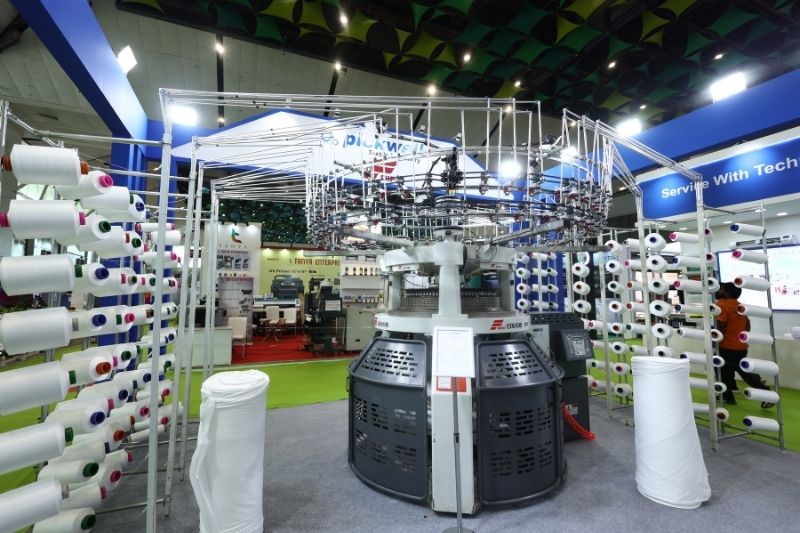
Best Knitting Machinery for Modern Textile Manufacturing
Modern textile production is increasingly shaped by the need for speed, precision, flexibility and consistent quality. As manufacturers respond to changing fashion…View More
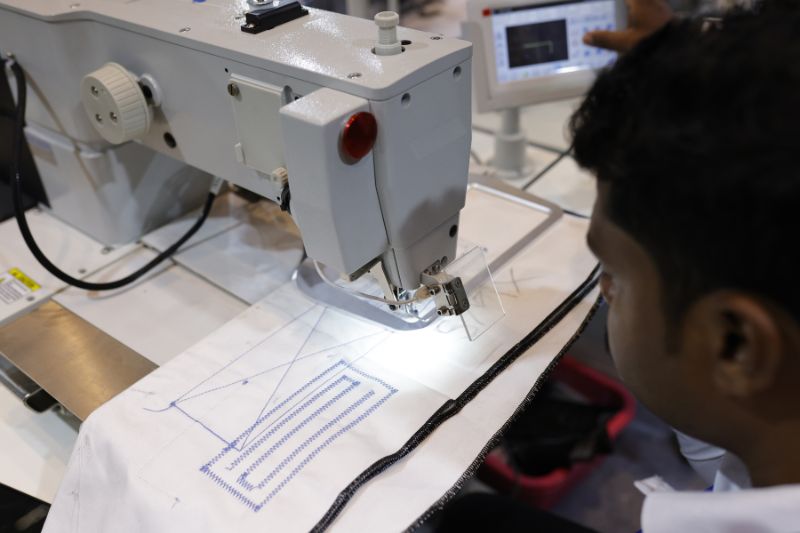
Best Sewing Machines in India: Buying Guide 2026
Garment manufacturing & textile technologies are changing fast. This is because of automation and because people want quality clothes. If you have…View More
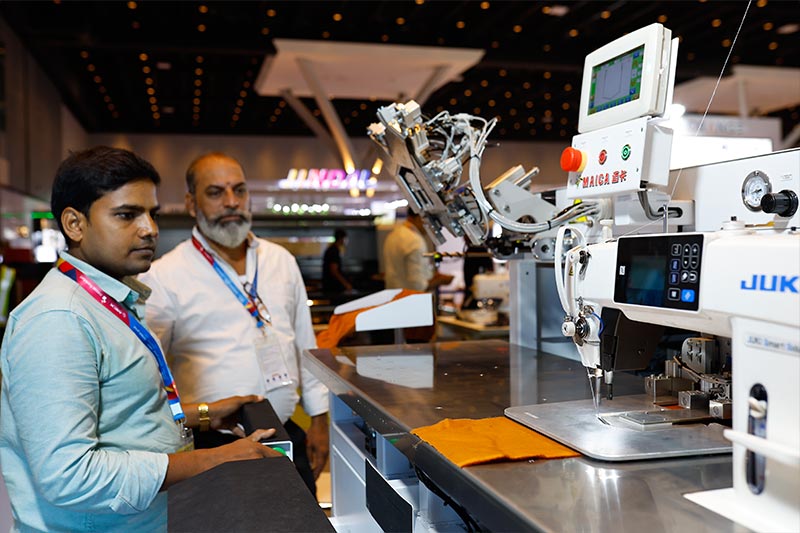
Garment Machinery Buying Guide: What Manufacturers Must Consider
The global apparel manufacturing industry is entering a new era of transformation driven by speed, precision, automation, and evolving sourcing expectations. Today’s…View More

Textile Exhibition: Why Every Textile Business Should Participate
The textile industry is evolving rapidly that is driven by shifting consumer preferences, increasing global competition and continuous advancements in manufacturing technologies.…View More

Textile Manufacturing Industry | Trends to Watch in 2026
The textile manufacturing industry is entering a period of quick transformation. Rising production demands, evolving consumer preferences and global supply chain shifts…View More

