

Garment Manufacturing Process: A Step-by-Step Guide from Fabric to Finished Garment
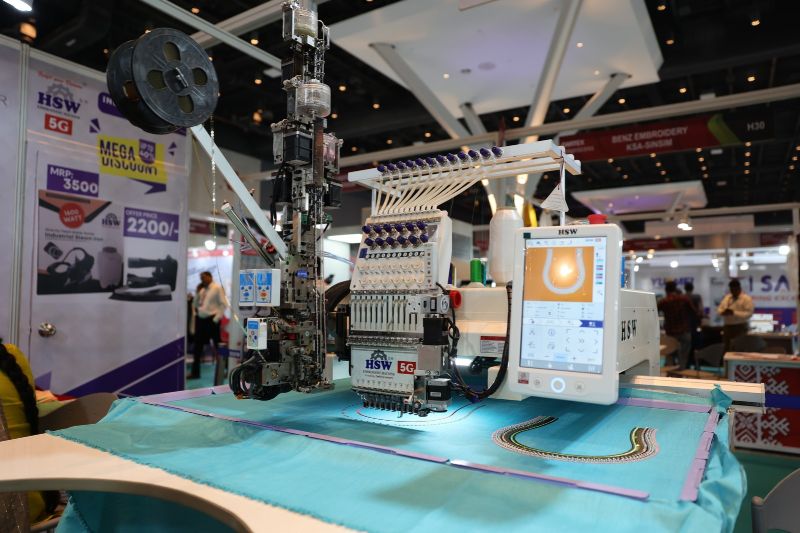
Garment production involves more than cutting fabric and stitching pieces together. Every product passes through planned stages, from developing a design and selecting materials to assembling components, checking quality and preparing orders for dispatch. Each stage affects fit, appearance, durability and cost. Understanding the garment manufacturing process helps manufacturers coordinate people, materials and machinery while reducing errors and waste.
Understanding the Garment Manufacturing Process
The garment manufacturing process turns a clothing design into a finished product that meets defined specifications. Although the sequence varies by garment type and factory setup, the main stages generally include product development, material preparation, pattern making, cutting, sewing, finishing and quality control. These stages depend on one another: inaccurate measurements can create fitting issues, while late material approvals can delay production. Clear specifications, defined responsibilities and quality checks help teams identify problems early.
Design Development and Product Planning
Production begins with a design concept. Designers define the garment’s silhouette, colour, intended use, construction details and target customer.
Product planning turns the concept into a production brief. Teams estimate quantities, set timelines, calculate material needs and review costs. They also identify specialist operations such as embroidery, printing or garment washing so these can be planned before bulk production begins.
Tech Packs and Specifications
Once a design is approved, the technical team prepares a tech pack. It typically includes technical sketches, measurements, fabric details, colour references, trims, labels and construction instructions. Specifications should be clear and current. If a measurement or material changes, the relevant teams need updated information before proceeding. A consistent garment manufacturing process depends on everyone working from the same approved details.
Fabric Selection and Material Preparation
Fabric influences comfort, appearance, durability and how easily a garment can be produced. Manufacturers assess whether a material suits the design, target price and intended use, as well as how it behaves during cutting, stitching, washing and pressing. The garment manufacturing process can be disrupted when unsuitable fabric or trims are identified only after production begins, making early checks essential.
Selecting Fabric and Trims
Cotton can suit breathable everyday clothing, while denim is commonly used for durable jeans and jackets. Polyester blends can offer useful properties for particular performance or easy-care garments. Selection depends on fabric weight, texture, stretch, drape, colour consistency and shrinkage.
Trims need equal attention. Zips, buttons, thread, labels, elastic and interlining must work with the fabric and construction method. Confirming these details during development helps avoid defects and last-minute substitutions.
Fabric Inspection and Relaxation
Incoming fabric is checked for holes, stains, shade variations, weaving faults and other defects. Faulty areas should be marked or excluded from usable fabric calculations. Some materials, especially knits and stretch fabrics, need to relax after being unrolled. This allows tension to settle before cutting and can reduce dimensional changes later. Procedures should suit the material rather than follow one method for every fabric type.
Pattern Making, Sampling and Marker Planning
Patterns define the shape and measurements of each garment component. Their accuracy affects fit, assembly, fabric consumption and appearance. Sampling and marker planning help translate the design into workable production instructions before large quantities are cut.
Pattern Making and Sample Development
Pattern makers create templates for components such as front and back panels, sleeves, collars, pockets and waistbands. They work from the design, measurements, fabric properties and construction requirements. A sample garment is then made to assess fit, proportions, comfort, stitching and appearance.
If the sample does not meet specifications, the pattern or construction details are adjusted before approval. Patterns can then be graded for the required size range. Resolving issues at this stage is usually less expensive than correcting them during bulk production.
Marker Making and Fabric Planning
Marker making arranges pattern pieces on a fabric layout to use material efficiently. The layout must account for fabric direction, grain lines, prints, nap and matching requirements. A well-planned marker can reduce waste, but savings should not come at the expense of fit or appearance.
Cutting and Bundling Garment Components
Cutting turns prepared fabric into the individual pieces required for assembly. Poorly cut components can cause uneven seams, measurement problems and waste. The garment manufacturing process relies on coordinated marker planning, careful handling and accurate cutting to keep components consistent.
Fabric Spreading and Cutting
Fabric is spread in the required number of layers, using manual or automated methods depending on the material and order size. Layers must lie flat and align correctly; wrinkles, shifting or excessive tension can affect the cut pieces.
The marker guides cutting, which can use straight-knife machines, band knives, die cutting equipment or automated systems. Operators must follow outlines precisely and handle pieces carefully to prevent distortion or uneven edges.
Bundling and Identification
After cutting, components are grouped into bundles and labelled with details such as style, size, colour and order reference. This keeps pieces together and helps prevent components from different sizes or colour batches being mixed.
Stitching and Garment Assembly
During stitching, separate components are joined to create the garment. The sequence depends on the design, construction complexity and equipment required. Consistent workmanship and a sensible operation sequence help maintain output without sacrificing quality.
Sewing and Component Assembly
Operators join panels and attach sleeves, collars, pockets, waistbands and closures according to approved specifications. Machine settings, needle and thread selection, stitch density and seam allowance must suit the material. Stretch fabrics may need stitches that allow movement, while heavier materials may require machines designed for thicker layers.
In-Line Quality Checks
Checks during sewing can identify skipped stitches, puckering, uneven seams, incorrect measurements or misplaced components before a garment moves to finishing. Early correction is easier than repairing a defect at the end. Teams should review repeated faults to find their causes. Problems may stem from machine settings, operator technique, fabric behaviour or unclear instructions.
Finishing, Inspection and Packaging
After assembly, garments move through finishing and final checks. Depending on the product, this may involve thread trimming, pressing, washing, attaching labels or applying specific treatments. This stage ensures the product meets buyer quality and presentation requirements.
Pressing, Washing and Final Details
Finishing can include shaping collars and cuffs, pressing seams, removing loose threads and checking buttons, zips and labels. Denim and some casualwear products can require washing or surface treatments to achieve a particular colour or texture. These operations must be controlled to avoid unwanted changes in size, shade or appearance.
Final Quality Control and Packaging
Final inspection checks measurements, stitching, colour consistency, appearance, labels and accessories against approved specifications. The inspection method depends on buyer requirements and factory standards. Items that fail can need correction, reprocessing or rejection, depending on the defect.
Approved garments are packed according to order requirements, including folding methods, size labels, carton quantities and shipping details. Accurate records help ensure the right products and quantities reach their destination.
How Technology Is Improving Garment Manufacturing
Digital tools are changing how factories plan production, use materials and monitor quality. Pattern-making software helps teams create and adjust patterns, while digital marker systems can improve fabric utilisation. Automated cutting equipment supports precision, and production monitoring tools help supervisors identify bottlenecks. A well-managed garment manufacturing process can use these tools to improve visibility and consistency.
For manufacturers exploring machinery and production technologies, Gartex Texprocess India offers an opportunity to discover developments across garment manufacturing and textile technologies. Investments should be assessed against the factory’s product range, production scale, training needs, maintenance requirements and expected return.
Building a More Efficient Production Workflow
Efficiency depends on coordination across design, sourcing, pattern making, cutting, sewing and quality control. Manufacturers can improve performance by maintaining accurate specifications, training staff, reviewing recurring defects and tracking fabric utilisation, output, rework and on-time delivery. Regular communication helps resolve issues before they disrupt the schedule.
Waste reduction is another priority. Better marker planning can lower fabric waste, while careful handling prevents avoidable damage. Where relevant, factories can review water and energy use in finishing and improve production-waste handling.
Conclusion
Every stage, from design development to final packaging, contributes to the quality, cost and delivery of a finished garment. Understanding the garment manufacturing process helps manufacturers see how early decisions affect later operations. Accurate specifications, suitable materials, reliable cutting, consistent stitching and thorough inspections all support better results.
As production requirements evolve, manufacturers can combine skilled teams, coordinated workflows and appropriate technology to improve performance.

More News
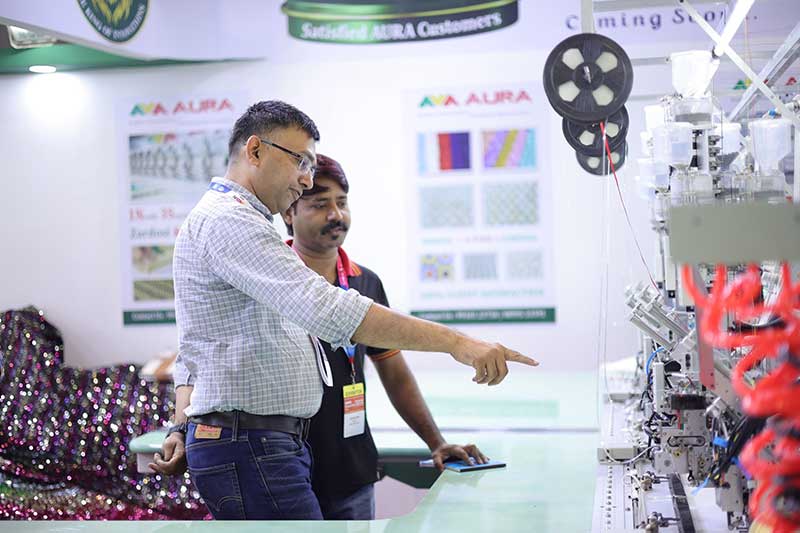
Sustainable Textile Manufacturing: Technologies Driving a Greener Industry
The textile industry is undergoing a significant transformation as manufacturers look for ways to increase production while reducing their environmental footprint. Sustainability…View More
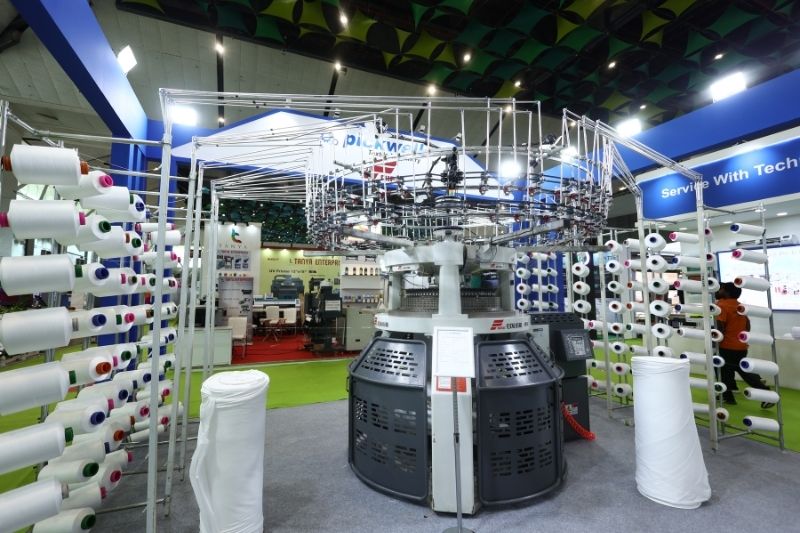
Best Knitting Machinery for Modern Textile Manufacturing
Modern textile production is increasingly shaped by the need for speed, precision, flexibility and consistent quality. As manufacturers respond to changing fashion…View More
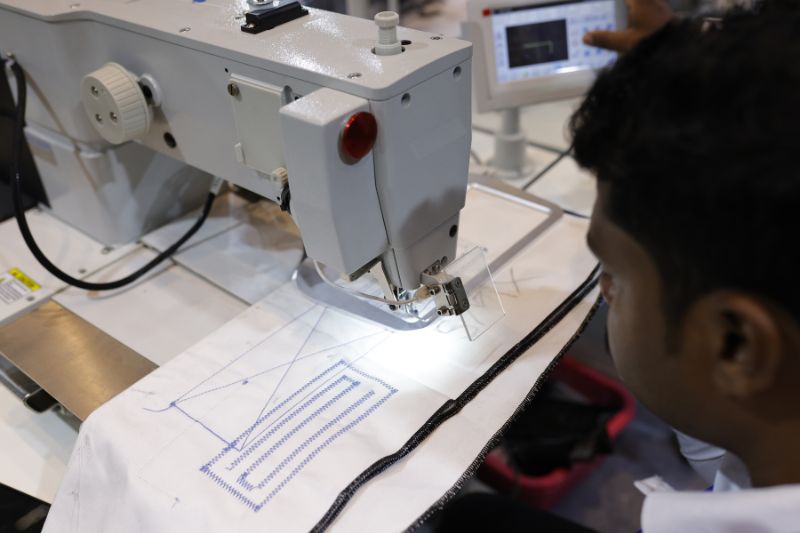
Best Sewing Machines in India: Buying Guide 2026
Garment manufacturing & textile technologies are changing fast. This is because of automation and because people want quality clothes. If you have…View More
Textile Automation: Benefits, Technologies and Future Outlook
The textile industry has always been known for its scale, complexity, and constant need to balance quality, speed, and cost. However, in…View More
Garment Machinery Buying Guide: What Manufacturers Must Consider
The global apparel manufacturing industry is entering a new era of transformation driven by speed, precision, automation, and evolving sourcing expectations. Today’s…View More

