

Textile Manufacturing Industry | Trends to Watch in 2026
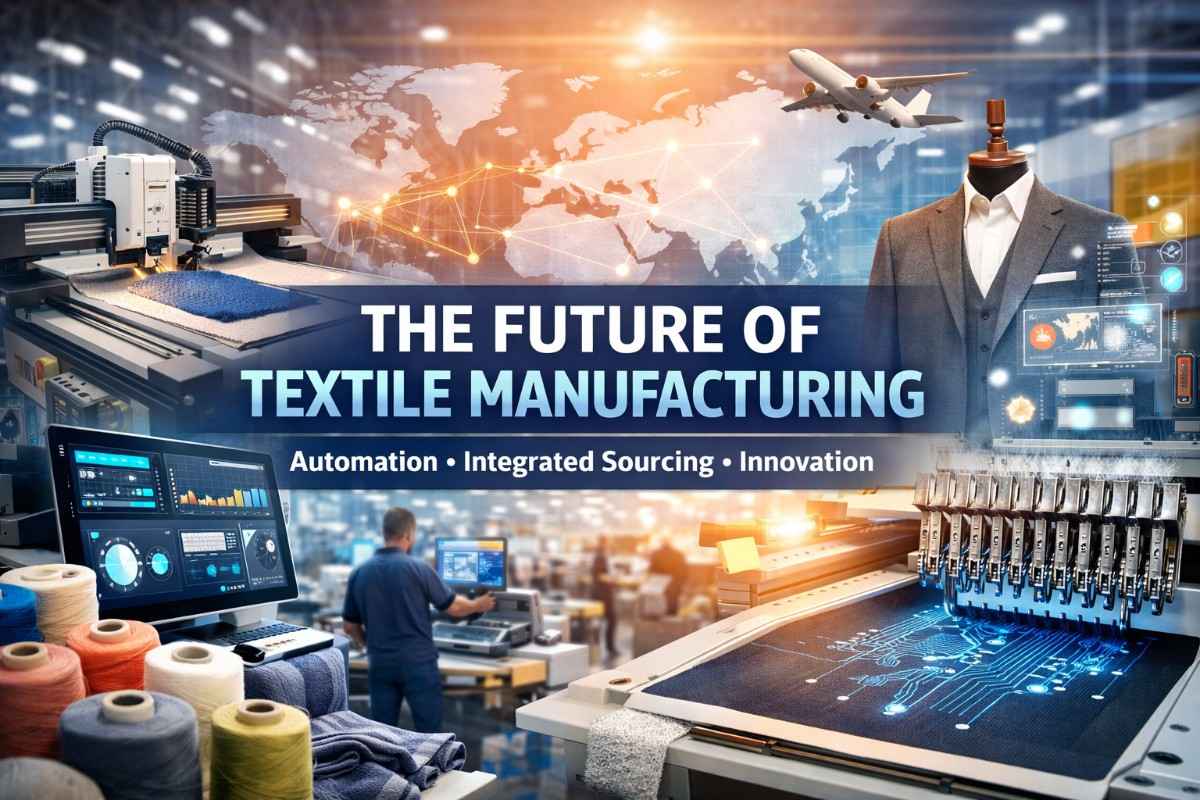
The textile manufacturing industry is entering a period of quick transformation. Rising production demands, evolving consumer preferences and global supply chain shifts are pushing manufacturers to rethink how they operate. What once relied heavily on manual processes and fragmented supplier networks is now gradually moving toward automation, integrated sourcing and smarter manufacturing systems.
Across India and global textile hubs, factories are looking for ways to improve efficiency while maintaining quality and cost competitiveness. This shift is not only reshaping how products are manufactured but also how businesses collaborate across the value chain. As the textile production sector evolves, companies must keep pace with emerging technologies, new sourcing strategies and changing operational models. Understanding the trends influencing the textile manufacturing ecosystem in 2026 will help manufacturers, suppliers and solution providers prepare for the next phase of industrial growth.
Why the Textile Manufacturing Industry Is Entering a New Phase

The global fabric manufacturing sector has always been closely linked with economic cycles, consumer behavior, and technological progress. However, the pace of change today is faster than ever before. Manufacturers are facing pressure from multiple directions. Rising operational costs, growing competition and the need for faster production cycles are forcing businesses to modernize their manufacturing processes. At the same time, buyers are expecting higher quality, better sustainability standards and faster delivery timelines.
Another important factor influencing the textile manufacturing sector is the increasing complexity of supply chains. Factories must coordinate with multiple vendors for fabrics, trims, accessories, printing and finishing processes. Managing this network efficiently is becoming a key competitive advantage. These pressures are encouraging the textile production industry to adopt new technologies and explore more integrated ways of working across the value chain.
Technology Adoption in the Fabric Manufacturing Industry
One of the most significant shifts taking place across the textile manufacturing industry is the adoption of advanced manufacturing technologies. Automation and smart machinery are gradually replacing traditional production methods in many factories.
Automation Is Transforming Factory Operations
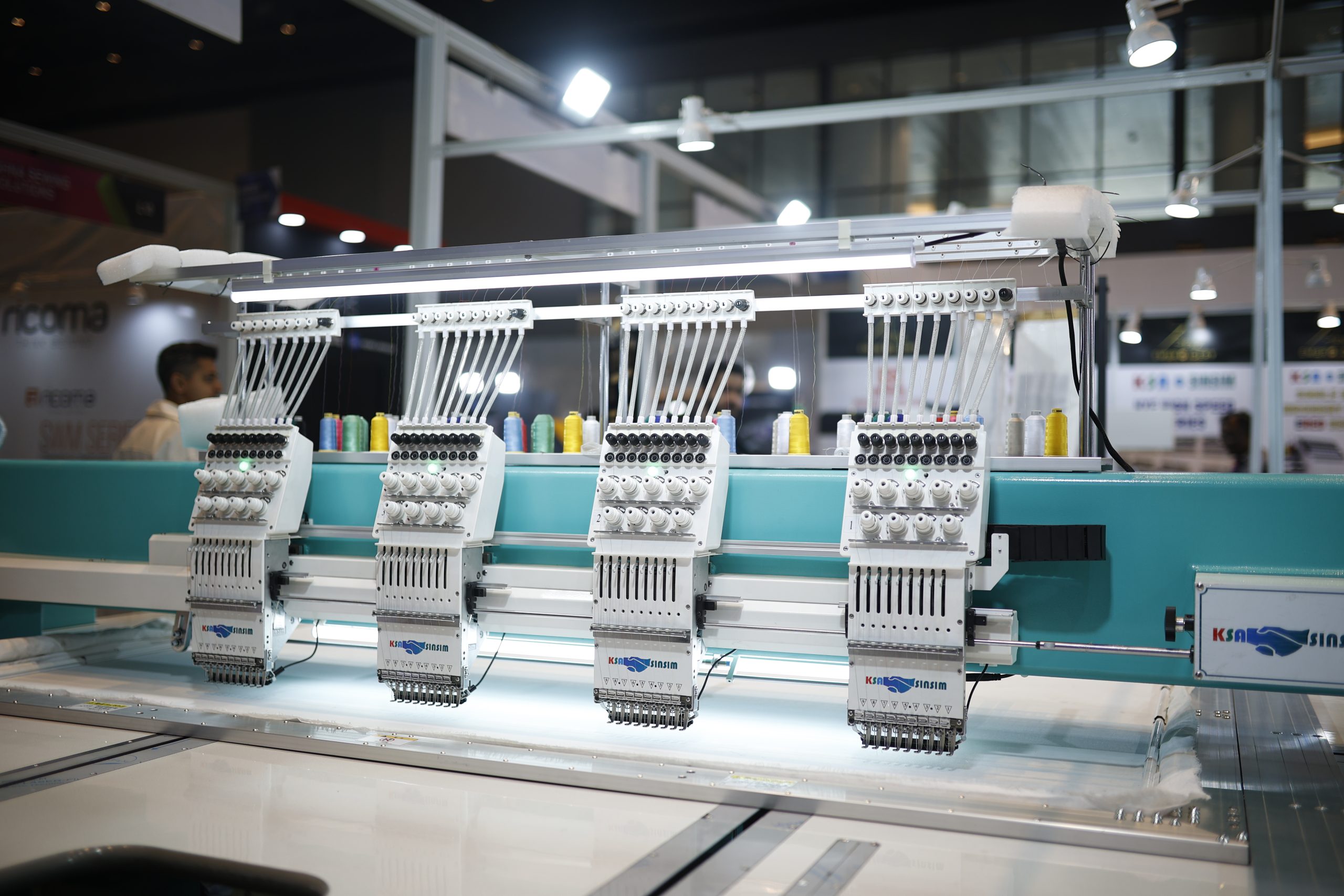
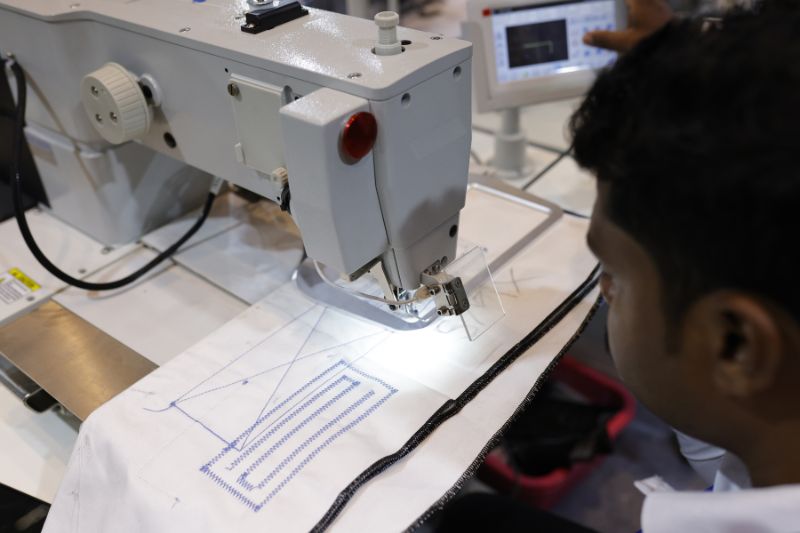
Automation is becoming an essential component of modern textile manufacturing facilities. From automated cutting systems to advanced embroidery machines and digital printing technologies, factories are increasingly investing in equipment that improves speed and precision.
Automation not only increases production efficiency but also reduces human error and material waste. For manufacturers working with large-scale orders, these improvements can make a substantial difference in profitability. However, despite the benefits, many businesses in the textile manufacturing sector still face challenges when it comes to understanding and adopting the latest machinery. Lack of awareness and limited exposure to new technologies often slow down the transition.
Smart Machinery Is Driving Production Efficiency
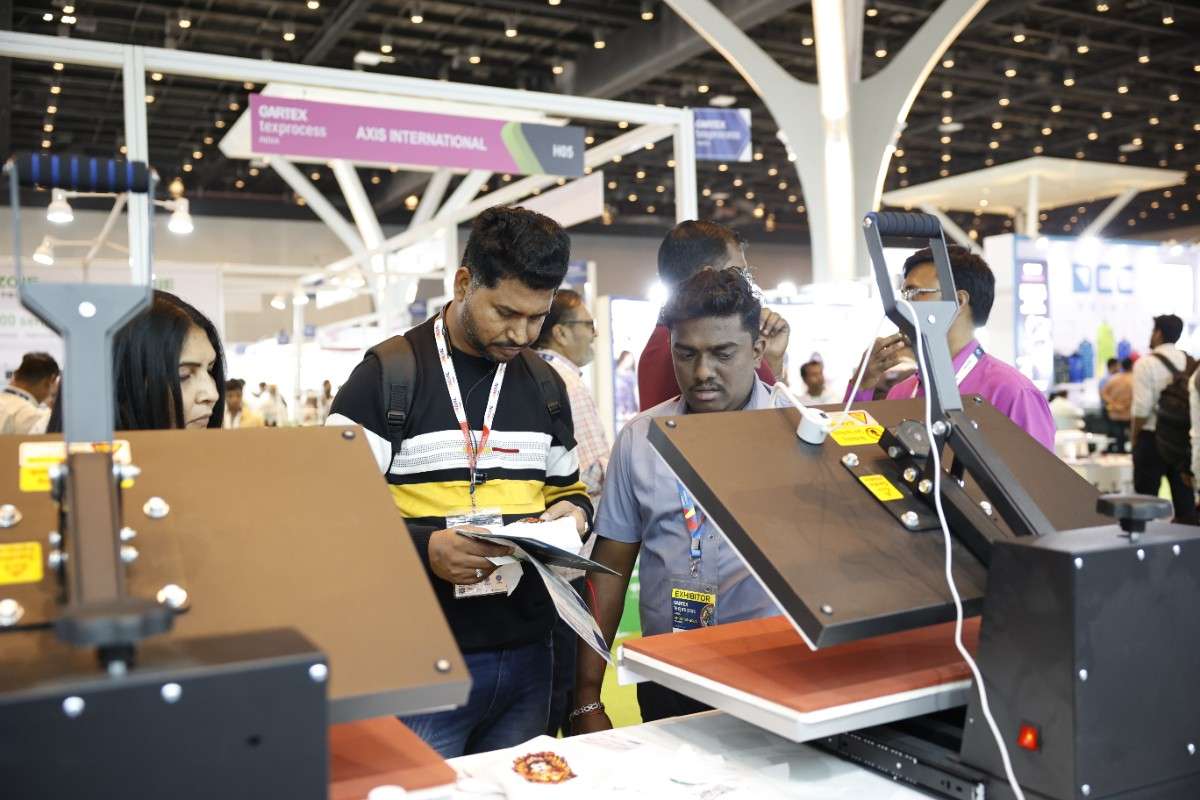
Another important development in the textile manufacturing industry is the rise of smart machinery that integrates digital monitoring systems. These technologies allow factories to track performance, monitor production metrics and identify inefficiencies in real time.
Smart equipment can optimize production schedules, improve quality control and enhance overall factory productivity. As these solutions become more accessible, more manufacturers are expected to integrate them into their operations. This technology-driven transformation is shaping the future of the textile manufacturing ecosystem.
Supply Chain Integration and Vendor Discovery
A major challenge for businesses operating in the textile production area is identifying reliable vendors across different production stages. Manufacturing garments often involves multiple suppliers providing fabrics, trims, accessories, printing services and embroidery work.
Fragmented Vendor Networks
The textile manufacturing ecosystem is highly fragmented. Manufacturers often rely on multiple suppliers located across different regions, which can create coordination challenges and delays in production timelines.
Finding reliable vendors who meet quality standards and delivery expectations is an ongoing challenge for many factories. As a result, businesses are increasingly seeking integrated sourcing platforms where they can explore multiple suppliers and technologies under one roof.
Integrated Sourcing Is Becoming Essential
To overcome vendor discovery challenges, the textile production industry is gradually shifting toward more integrated sourcing models. These models bring together machinery manufacturers, fabric suppliers, accessory providers and technology companies within a single ecosystem. Such integration allows manufacturers to evaluate different solutions, compare technologies and streamline supplier relationships. The growing demand for integrated sourcing platforms reflects the broader transformation taking place in the textile manufacturing landscape.
Rising Competition and the Need for Differentiation
Competition in production of textile has intensified significantly over the past decade. With numerous suppliers offering similar products and services, businesses are under constant pressure to differentiate themselves.
Price Competition Is No Longer Sustainable
Many manufacturers initially compete on price, but this strategy often leads to shrinking profit margins. When multiple suppliers offer similar products, price wars become inevitable. To remain competitive, businesses in the textile industry must shift their focus toward innovation, technology adoption, and product quality. Manufacturers that invest in advanced production capabilities are better positioned to offer unique solutions rather than competing solely on cost.
Demonstrating Technology and Capabilities
In the evolving textile manufacturing ecosystem, demonstrating production capabilities is becoming increasingly important. Buyers want to see how machinery performs, how fabrics behave during production and how technologies improve efficiency.
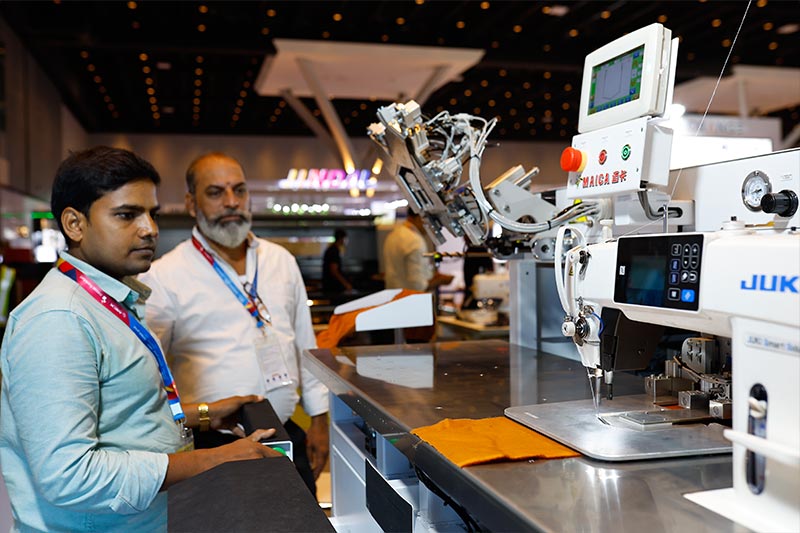
Live demonstrations and practical showcases help manufacturers understand the real value of technological investments. These experiences play a critical role in helping businesses make informed decisions about equipment and production strategies.
Industry Insights Shaping Textile Manufacturing in 2026
The future of the textile manufacturing industry is being shaped by a combination of technological innovation, supply chain evolution and growing demand for efficiency. Manufacturers are no longer operating in isolation but they are becoming part of interconnected ecosystems where suppliers, technology providers and buyers collaborate closely.
Several broader industry trends are influencing this shift:
- Greater emphasis on automation and digital manufacturing
- Increased demand for integrated sourcing solutions
- Stronger collaboration between technology providers and manufacturers
- Growing importance of knowledge-sharing platforms within the industry
These trends indicate that the manufacturing of textiles sector will continue to evolve toward more efficient and technology-driven production systems. As factories upgrade their capabilities and explore new partnerships, the structure of the textile manufacturing industry is expected to become more interconnected and innovation-focused.
Where the Textile Manufacturing Industry Explores New Solutions
As technological innovation accelerates, manufacturers are constantly looking for opportunities to explore new machinery, discover reliable suppliers, and understand emerging industry trends. Industry platforms play an important role in connecting manufacturers with solution providers across the textile manufacturing industry. These environments bring together machinery manufacturers, technology developers, fabric suppliers and accessory providers in a single space where businesses can explore different production solutions.
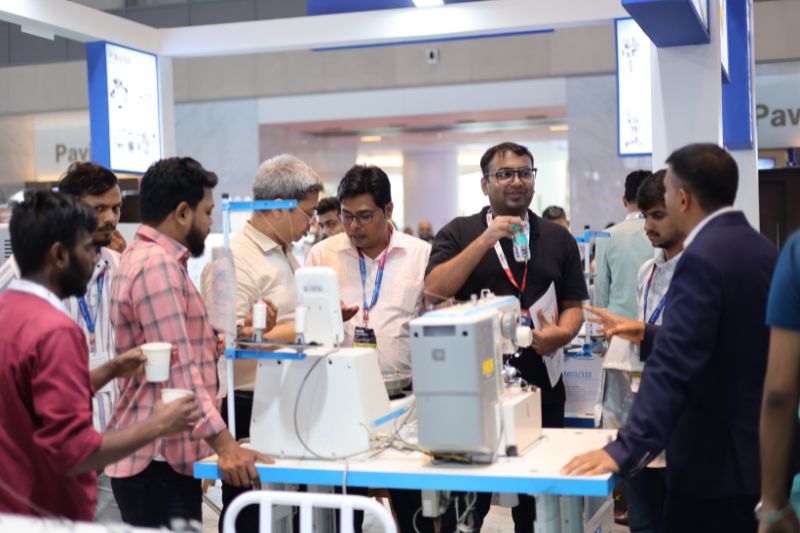
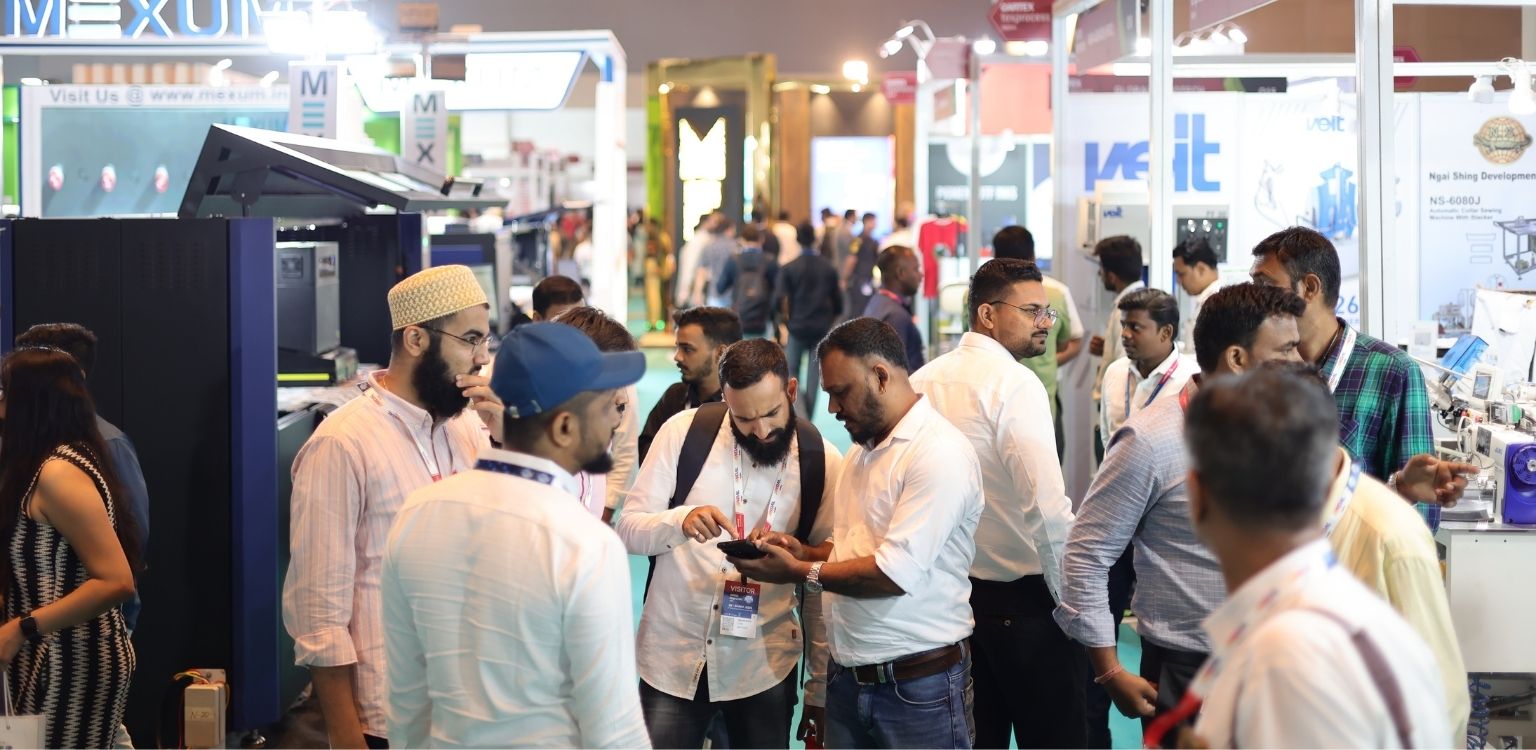
Such platforms also allow manufacturers to evaluate equipment through live demonstrations, compare technologies side by side, and gain insights into how automation and digital tools can improve factory performance. One example of such an industry platform is Gartex texprocess India, where stakeholders from across the textile manufacturing ecosystem gather to explore innovations in machinery, sourcing and production technologies. Events like these help businesses stay informed about emerging trends and identify solutions that support the evolving needs of modern manufacturing.
Looking Ahead: The Next Chapter of Textile Manufacturing
The future of the textile manufacturing industry will be defined by how effectively businesses adopt technology, streamline supply chains and respond to changing market expectations. Automation, integrated sourcing and smarter production systems are already reshaping how factories operate. Companies that embrace these developments will be better equipped to compete in an increasingly complex global marketplace.
At the same time, collaboration across the value chain will become more important than ever. As manufacturers, suppliers and technology providers work together, the fabric manufacturing sector will continue to innovate and adapt.
For businesses operating in the textile manufacturing industry, staying informed about emerging trends and exploring new solutions will be essential for long-term growth in 2026 and beyond.


More News
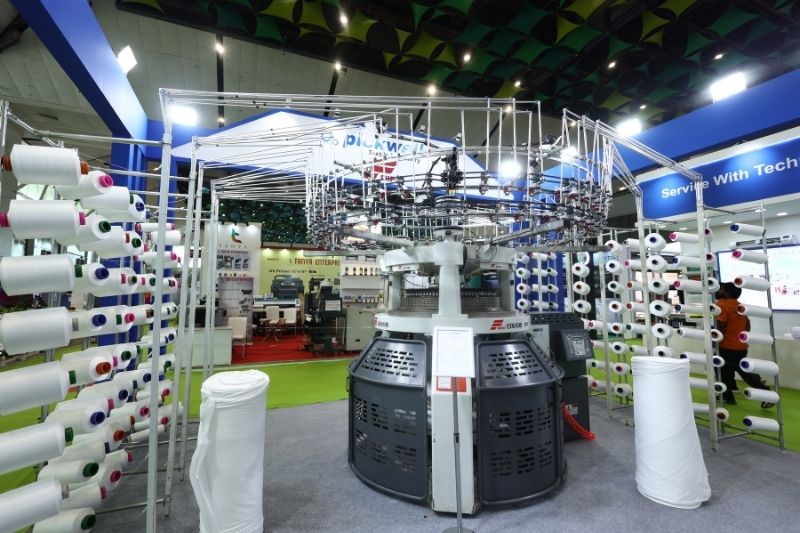
Best Knitting Machinery for Modern Textile Manufacturing
Modern textile production is increasingly shaped by the need for speed, precision, flexibility and consistent quality. As manufacturers respond to changing fashion…View More
Best Sewing Machines in India: Buying Guide 2026
Garment manufacturing & textile technologies are changing fast. This is because of automation and because people want quality clothes. If you have…View More
Textile Automation: Benefits, Technologies and Future Outlook
The textile industry has always been known for its scale, complexity, and constant need to balance quality, speed, and cost. However, in…View More
Garment Machinery Buying Guide: What Manufacturers Must Consider
The global apparel manufacturing industry is entering a new era of transformation driven by speed, precision, automation, and evolving sourcing expectations. Today’s…View More
Textile Exhibition: Why Every Textile Business Should Participate
The textile industry is evolving rapidly that is driven by shifting consumer preferences, increasing global competition and continuous advancements in manufacturing technologies.…View More

