

Best Knitting Machinery for Modern Textile Manufacturing
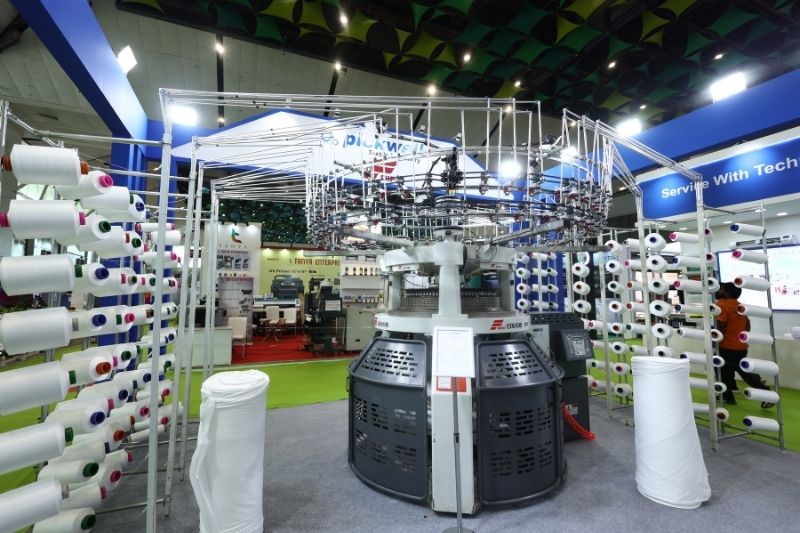
Modern textile production is increasingly shaped by the need for speed, precision, flexibility and consistent quality. As manufacturers respond to changing fashion cycles, shorter production timelines and growing demand for specialised fabrics, choosing the right knitting machinery has become an important part of building an efficient manufacturing operation. The right equipment can influence fabric quality, production capacity, design possibilities, energy consumption and overall operational efficiency. From circular and flat knitting technologies to advanced systems designed for automated production, manufacturers today have access to solutions suited to a wide range of applications. Understanding the capabilities of different machines and matching them with specific production requirements can help textile businesses make more informed technology investments.
Why Knitting Machinery Matters in Modern Textile Manufacturing
The role of knitting technology has expanded considerably as textile manufacturers move towards more sophisticated production methods. Modern operations need equipment that can deliver consistent output while adapting to changing product specifications and market requirements.
Choosing appropriate knitting machinery is therefore not simply about increasing production volume. It is about creating a production system that can maintain quality, support product development and respond efficiently to changing customer demands.
Improving Production Efficiency
Production efficiency is a major consideration for textile manufacturers operating in competitive markets. Advanced equipment can support faster production cycles while maintaining consistent fabric characteristics across larger quantities.
Automated functions, precise controls and improved machine configurations can reduce unnecessary manual intervention and help manufacturers optimize production workflows. This becomes particularly valuable for businesses handling large orders or operating multiple production lines.
Maintaining Consistent Fabric Quality
Consistency is essential when producing fabrics for apparel, home textiles, sportswear, technical applications and other end uses. Variations in stitch formation, tension, density or fabric structure can affect the appearance and performance of the final material.
Modern knitting machinery is designed with increasingly precise control systems that help manufacturers maintain uniform production parameters. Better control over these variables can result in more consistent fabric output and reduce quality-related production losses.
Types of Knitting Machinery for Different Production Needs
Different knitting technologies are designed to create different fabric structures, patterns and production outcomes. Understanding these categories helps manufacturers identify equipment that aligns with their product portfolio and operational requirements. While no single machine is suitable for every application, modern technologies offer manufacturers considerable flexibility when developing and producing knitted fabrics.
Circular Knitting Machines
Circular knitting machines are widely used for producing knitted fabrics in continuous tubular or open-width forms. They are commonly associated with applications such as T-shirts, sportswear, innerwear, casual apparel and various other knitted products.
Their ability to support high-volume production makes them particularly relevant for manufacturers that need efficient and consistent fabric output. Depending on machine configuration, manufacturers can also produce fabrics with different weights, textures, stretch characteristics and patterns.
Flat Knitting Machines
Flat knitting technology provides greater flexibility for producing shaped and structured knitted products. It is particularly useful for applications where design complexity, garment shaping and pattern development are important. Modern flat knitting systems can support intricate designs and enable manufacturers to develop products with greater structural variation. This makes them valuable for fashion-oriented production as well as specialised knitted applications.
Warp Knitting Machines
Warp knitting machines create fabrics through a different knitting structure and are suitable for applications requiring specific strength, stretch, stability or surface characteristics. They are used across apparel, sportswear, technical textiles, automotive applications and other specialised segments.
Key Features to Look for in Modern Knitting Machinery
Selecting new equipment requires manufacturers to evaluate more than production speed. Machine capabilities, flexibility, automation, maintenance requirements and compatibility with existing production systems can all influence the long-term value of an investment.
Automation and Digital Controls
Automation is becoming increasingly important across textile manufacturing. Digital controls allow operators to monitor production parameters, adjust settings more precisely and identify potential issues more efficiently. Advanced knitting machinery can incorporate automated functions that improve operational consistency while reducing dependence on repetitive manual adjustments. Digital monitoring can also provide manufacturers with greater visibility into machine performance and production conditions.
Production Flexibility
Market demand can change quickly, particularly in fashion and apparel manufacturing. Manufacturers can need to move between different fabric types, designs, structures or production quantities within relatively short periods. Equipment that supports flexible production settings can help businesses respond to these changes more effectively. The ability to adjust machine parameters and accommodate different production requirements can become a significant competitive advantage.
Energy Efficiency
Energy consumption is another important factor when evaluating textile production equipment. Manufacturers are increasingly looking for technologies that can deliver strong productivity without creating unnecessary energy demands. More efficient machine designs, improved motors, intelligent controls, and optimised operating systems can contribute to lower energy consumption. Over time, these improvements can support both operational cost management and broader sustainability objectives.
How Advanced Knitting Technology Supports Product Innovation
Textile manufacturers are no longer competing only on production capacity. Increasingly, they are expected to offer distinctive fabrics that respond to changing consumer preferences and specialised market requirements. This makes technological capability an important part of product development and differentiation.
Creating More Complex Fabric Structures
Modern knitting machinery can enable manufacturers to explore a wider range of structures, textures, patterns and functional characteristics. This provides greater creative freedom when developing fabrics for fashion, performance, wellness and technical applications. The ability to experiment with different combinations of yarns, stitch structures, densities and patterns can help businesses create products that stand apart in competitive markets.
Supporting Functional and Technical Textiles
Knitted fabrics are increasingly used beyond conventional apparel. Applications now include sportswear, medical textiles, automotive interiors, protective products and other technical areas. Advanced equipment can support the development of fabrics with properties such as stretch, breathability, lightweight construction, insulation and structural stability. This creates opportunities for textile businesses to expand into higher-value applications.
Choosing the Right Machinery for Your Manufacturing Operation
Investing in new equipment is a significant decision and manufacturers need to consider how a machine will fit within their existing production ecosystem. Looking only at the initial purchase cost can overlook factors that have a greater impact over the equipment’s operational lifetime. The right selection should therefore consider productivity, application, maintenance, scalability and workforce requirements together.
Assess Production Requirements
Manufacturers should begin by identifying the types of fabrics they currently produce and the products they plan to develop in the future. Production volume, fabric specifications, yarn types, design complexity and required output should all be considered before selecting equipment. A machine that performs exceptionally well for one application may not provide the same value for another. Clear production objectives make it easier to compare available technologies.
Consider Total Cost of Ownership
The financial evaluation should extend beyond the initial investment. Energy consumption, maintenance, spare parts, operator requirements, downtime and expected machine lifespan can significantly influence overall operating costs. Evaluating these factors provides manufacturers with a more realistic understanding of the long-term value of their technology investment.
The Future of Knitting Technology
The next phase of textile manufacturing will increasingly connect machinery with digital production management, automation, data monitoring and smarter decision-making. As manufacturers seek greater productivity and flexibility, technology will continue to play a central role in transforming production environments.
Advanced knitting machinery is expected to become increasingly connected, enabling manufacturers to monitor machine performance, identify production inefficiencies and make adjustments using real-time information. Greater integration between machinery and digital manufacturing platforms could also improve production planning and traceability.
Where Technology Meets Textile Manufacturing
As textile manufacturing continues to evolve, industry platforms play an important role in connecting manufacturers with the latest technologies and production solutions. Gartex Texprocess India, India’s leading exhibition on garment manufacturing and textile technologies, brings together machinery manufacturers, technology providers, fabric producers and industry professionals on a single platform. The exhibition provides valuable opportunities to explore advancements in knitting machinery, discover emerging manufacturing trends, and connect with key stakeholders across the textile value chain.
More News
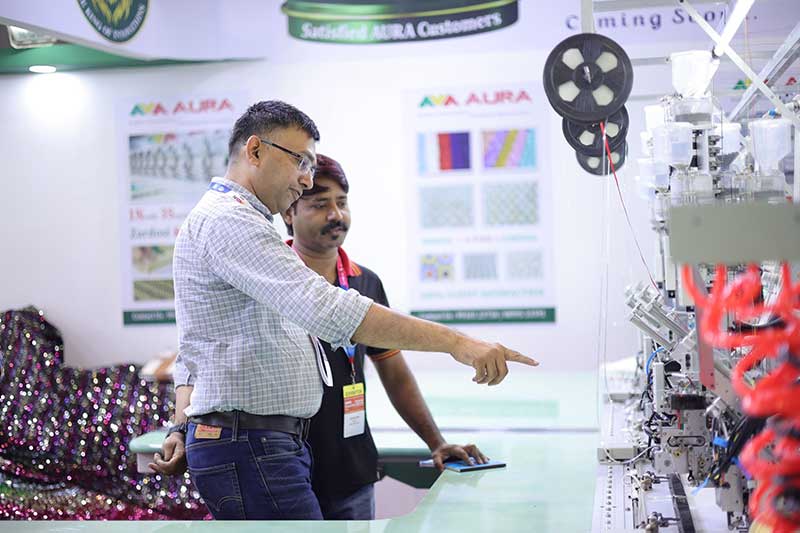
Sustainable Textile Manufacturing: Technologies Driving a Greener Industry
The textile industry is undergoing a significant transformation as manufacturers look for ways to increase production while reducing their environmental footprint. Sustainability…View More
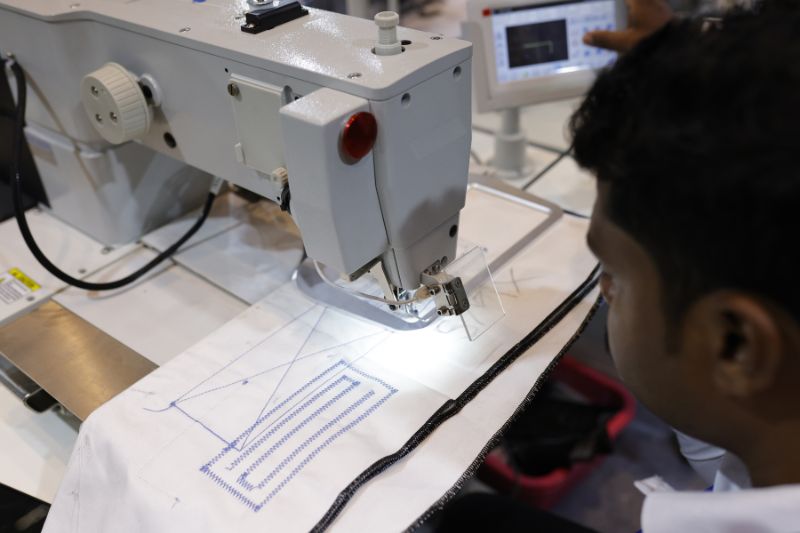
Best Sewing Machines in India: Buying Guide 2026
Garment manufacturing & textile technologies are changing fast. This is because of automation and because people want quality clothes. If you have…View More
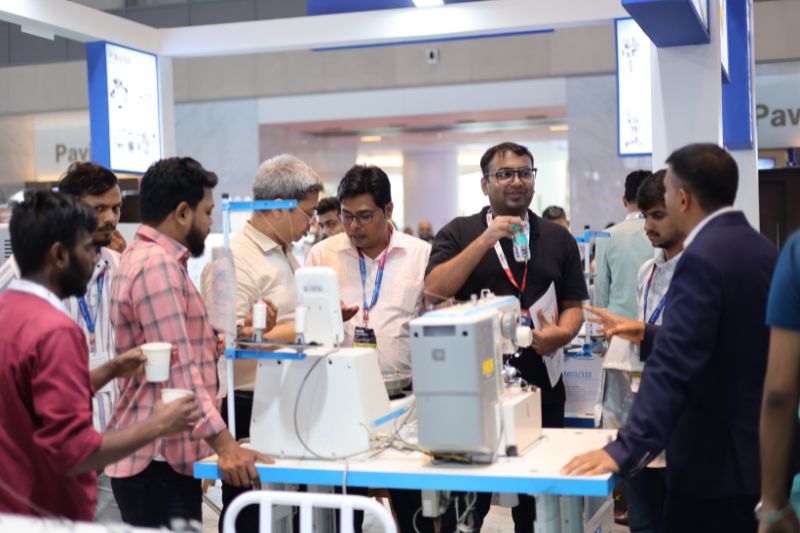
Textile Automation: Benefits, Technologies and Future Outlook
The textile industry has always been known for its scale, complexity, and constant need to balance quality, speed, and cost. However, in…View More
Garment Machinery Buying Guide: What Manufacturers Must Consider
The global apparel manufacturing industry is entering a new era of transformation driven by speed, precision, automation, and evolving sourcing expectations. Today’s…View More
Textile Exhibition: Why Every Textile Business Should Participate
The textile industry is evolving rapidly that is driven by shifting consumer preferences, increasing global competition and continuous advancements in manufacturing technologies.…View More

