

Garment Machinery Buying Guide: What Manufacturers Must Consider
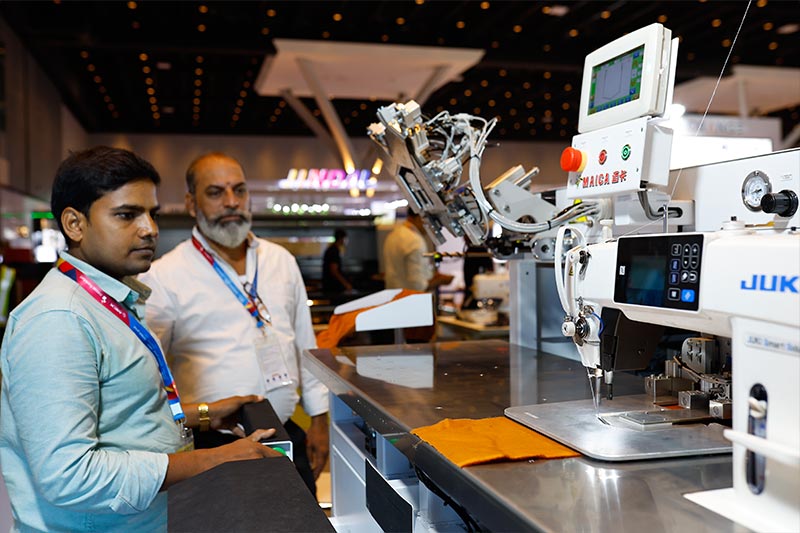
The global apparel manufacturing industry is entering a new era of transformation driven by speed, precision, automation, and evolving sourcing expectations. Today’s manufacturers are expected to deliver quality, production flexibility, shorter lead times, and cost efficiency while simultaneously adapting to changing buyer demands and competitive global markets.
In this evolving environment, investing in the right garment machinery is no longer simply an operational requirement. It has become a strategic business decision that directly influences profitability, productivity and long-term manufacturing resilience.
From fabric cutting and stitching to finishing, automated production systems, and material handling every stage of garment manufacturing depends on machinery performance and reliability.
Inefficient equipment can result in inconsistent quality, production bottlenecks, rising maintenance costs, labour inefficiencies, and delayed order fulfilment. In contrast, a well-planned production technology setup enables manufacturers to streamline workflows, improve output consistency, and strengthen their ability to meet modern sourcing requirements.
Selecting the right machinery requires far more than comparing prices as apparel businesses continue to modernise operations. Manufacturers must evaluate operational flexibility, energy efficiency, automation capabilities, workforce adaptability, and long-term return on investment. Choosing the right machinery ecosystem can determine how a factory competes in an increasingly demanding global apparel landscape.
Understanding Production Requirements Before Investment
Manufacturers must first evaluate their production requirements in detail before purchasing any equipment. Every factory has different operational priorities depending on buyer expectations, product categories, order volumes, workforce structure.
A garment making machine designed for denim production may not suit a factory focused on performance apparel. Similarly, machinery suitable for bulk export manufacturing may not be ideal for smaller factories handling low MOQs and style changes.
Manufacturers should assess:
● Buyer compliance expectations
● Expansion plans
● Product categories
● Fabric Types
● Order complexity
● Workforce skill levels
● Maintenance capabilities
Evaluating Automation and Technology Integration
Automation is transforming apparel manufacturing on a global level. Modern factories are increasingly investing in intelligent machinery systems to improve consistency, speed, and productivity.
Today’s advanced garment making machine solutions often include:
● Automatic thread trimming
● Digital stitch control
● Energy-efficient motors
● Fabric alignment systems
● Programmable operations
● Sensor-based monitoring
● Real-time production tracking
Manufacturers must evaluate whether the investment matches their operational scale and production mix while fully automated systems can deliver strong productivity gains.
For SMEs, semi-automated production systems may offer better ROI compared to high-cost fully automated systems. The objective should not be automation for the sake of technology, but automation that reduces defects, directly improves output efficiency, and supports production stability.
Production Flexibility and Machine Versatility
Buyer expectations are changing rapidly. Manufacturers are increasingly handling shorter production runs, multiple styles and faster delivery timelines. This is why while purchasing garment machinery, flexibility has become a major consideration. Businesses should prioritise machines that can adapt quickly to production requirements and different products.
A production machine allows operators to shift between styles with minimal downtime. This is especially important for factories producing fashion garments, kidswear, uniforms or customised products.
Key flexibility considerations include:
● Adjustable operation settings
● Ease of style changeovers
● Multi-fabric compatibility
● Interchangeable attachments
● Operator-friendly controls
● Quick maintenance access
Energy Efficiency and Operational Costs
Machinery purchasing decisions should never just focus on upfront cost. Long-term operational expenses often have a much greater impact on profitability. Energy-efficient garment machinery can reduce electricity consumption over time, specifically in large-scale manufacturing facilities operating multiple shifts.
Modern garment making machine systems increasingly feature:
● Efficient lubrication systems
● Low-noise operations
● Reduced vibration technology
● Servo motors
● Power-saving idle modes
Apart from energy savings, manufacturers should also evaluate:
● Downtime risks
● Spare parts availability
● Service support costs
● Operator training requirements
● Maintenance frequency
Assessing Machine Durability and Build Quality
Apparel manufacturing environments are demanding. Under high production, pressure machines operate continuously making durability a critical investment factor. Reliable garment machinery minimises unexpected downtime and improves operational stability. Frequent breakdowns disrupt production schedules and affect delivery commitments and buyer confidence.
Manufacturers should evaluate:
● Brand Reputation
● Component Durability
● Production Stability
● Expected machine lifespan
● Warranty Coverage
● Machine frame quality
Labour Efficiency and Operator Adaptability
Labour management remains one of the biggest challenges for apparel manufacturers today. Skilled operator shortages, rising labour costs, and workforce attrition are forcing factories to optimise productivity through better equipment.
Modern garment machinery is increasingly designed to improve operator comfort, reduce fatigue, and simplify machine handling.
Features such as:
● Automatic Adjustments
● Ergonomic workstation design
● Reduced manual handling
● Faster setup systems
● User-friendly controls
can significantly improve labour efficiency.
An easy-to-operate garment making machine allows factories to onboard new operators and also reduces training time. This becomes especially valuable in factories managing workforce shortages and seasonal demand fluctuations..
Production Scalability and Future Expansion
Machinery investments should support current operations and also future business growth. Several apparel manufacturers make the mistake of purchasing garment machinery just for immediate production requirements. However, those machines may no longer meet operational needs as order volumes increase or product categories expand.
Manufacturers should evaluate whether the machinery can support:
● Automation upgrades
● Additional Product Categories
● Digital Integration
● Lean manufacturing systems
● Higher production volumes
● Modular Production Layouts
Supplier Credibility and Technical Support
The relationship between manufacturer and machinery supplier extends far beyond the initial purchase. Strong technical support is significant for maintaining uninterrupted production. Manufacturers should carefully evaluate the supplier’s credibility, service capabilities and industry reputation before investing in garment machinery.
Important evaluation factors include:
● Availability of spare parts
● Installation support
● Operator Training
● Technical Troubleshooting
● Service Response Time
● Local Support Teams
● Software Update Capabilities
An advanced machine loses value if technical support is unavailable during critical production periods. Manufacturers should prioritise suppliers that can provide long-term operational support and understand apparel production challenges.
Sustainability and Compliance Considerations
Sustainability is becoming a central focus across the global apparel supply chain. International buyers are increasingly evaluating manufacturing partners based on waste reduction, energy efficiency, and environmentally responsible production systems.
Sustainable machinery is gaining significant importance. Modern machinery solutions can help manufacturers reduce:
● Energy Consumption
● Rework Rates
● Material Wastage
● Oil Leakage Risks
● Noise Pollution
● Production Inefficiencies
Several global buyers now prefer suppliers using modern garment making machine technologies that align with compliance expectations and sustainability goals. Investing in environmentally responsible machinery and energy-efficient can also strengthen a factory’s positioning during buyer audits and sourcing evaluations.
Why Strategic Machinery Investments Matter More Than Ever
The apparel manufacturing landscape is becoming increasingly competitive. Cost efficiency, flexibility, speed, quality now define long-term business success. This makes garment machinery far more than a production tool. It has become a strategic business asset that directly impacts buyer relationships, productivity, profitability, and operational resilience.
Similarly, selecting the right garment making machine can help factories adapt more effectively to rising industry expectations, evolving sourcing trends, and changing consumer demand. Garment machinery investment is far more than a procurement decision. It directly influences operational flexibility, product quality, production quality, and long-term business growth.
As the apparel industry moves toward faster, smarter and more efficient production, choosing the right machinery will play an even greater role in shaping the future of textile & garment manufacturing. Export houses, manufacturers, production units, and technology providers that invest in advanced and future-ready machinery solutions will be the ones driving tomorrow’s apparel industry.
From precision engineering to evolving production practices, textile & garment manufacturing continues to redefine how the apparel industry operates and grows. The next chapter of this transformation unfolds at Gartex Texprocess India 2026, taking place from 6 to 8 August 2026 at Bharat Mandapam, Pragati Maidan, New Delhi, where technology, machinery, manufacturing expertise, and industry progress converge in one shared space.


More News
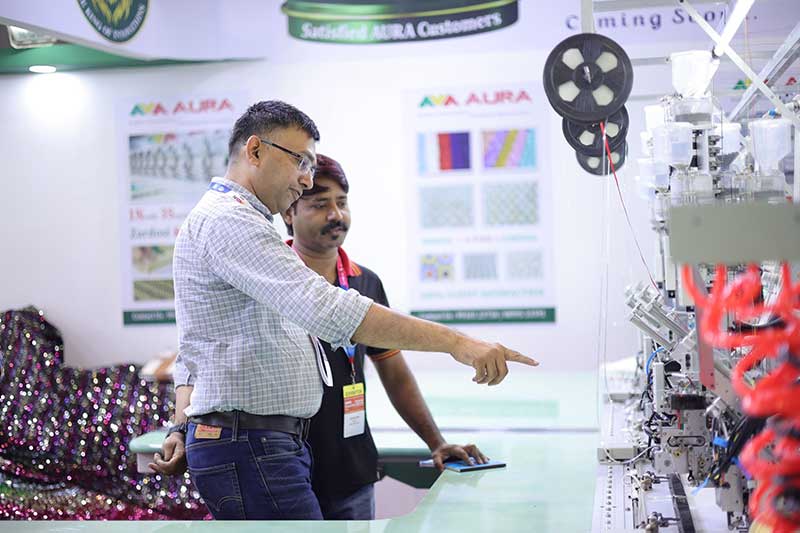
Sustainable Textile Manufacturing: Technologies Driving a Greener Industry
The textile industry is undergoing a significant transformation as manufacturers look for ways to increase production while reducing their environmental footprint. Sustainability…View More
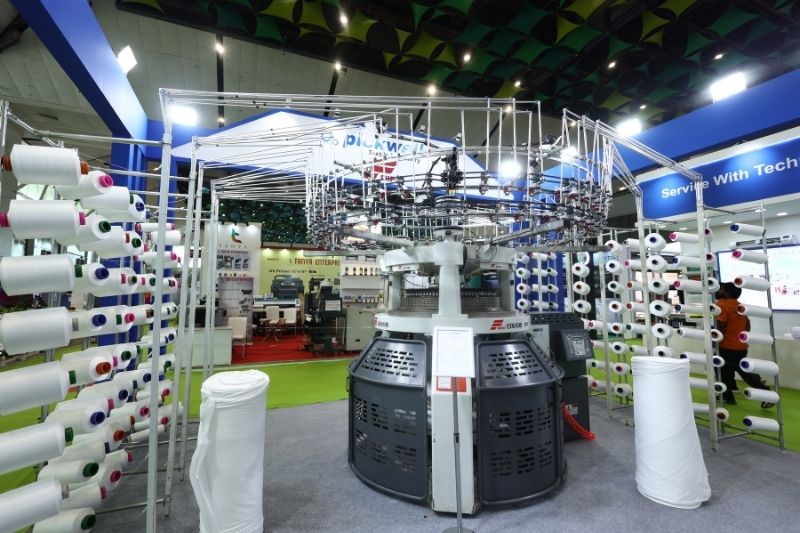
Best Knitting Machinery for Modern Textile Manufacturing
Modern textile production is increasingly shaped by the need for speed, precision, flexibility and consistent quality. As manufacturers respond to changing fashion…View More
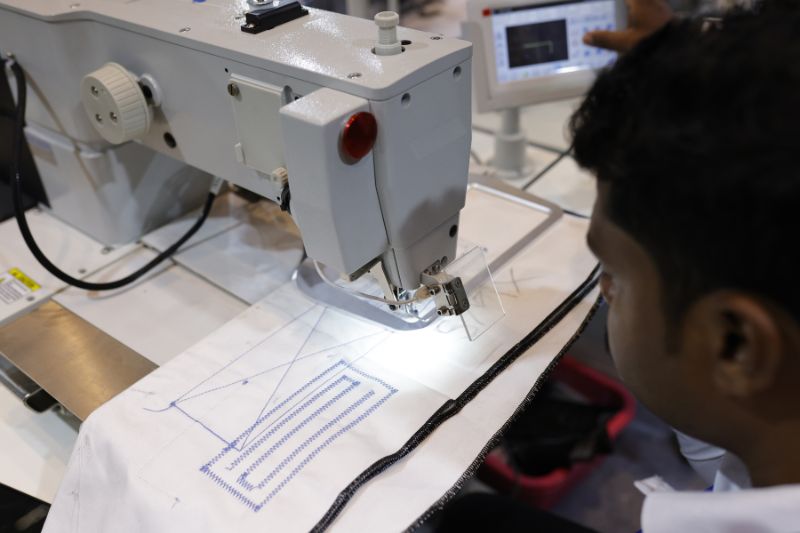
Best Sewing Machines in India: Buying Guide 2026
Garment manufacturing & textile technologies are changing fast. This is because of automation and because people want quality clothes. If you have…View More
Textile Automation: Benefits, Technologies and Future Outlook
The textile industry has always been known for its scale, complexity, and constant need to balance quality, speed, and cost. However, in…View More
Textile Exhibition: Why Every Textile Business Should Participate
The textile industry is evolving rapidly that is driven by shifting consumer preferences, increasing global competition and continuous advancements in manufacturing technologies.…View More

