

Small-Batch Textile Manufacturing: What Tech Vendors Must Know
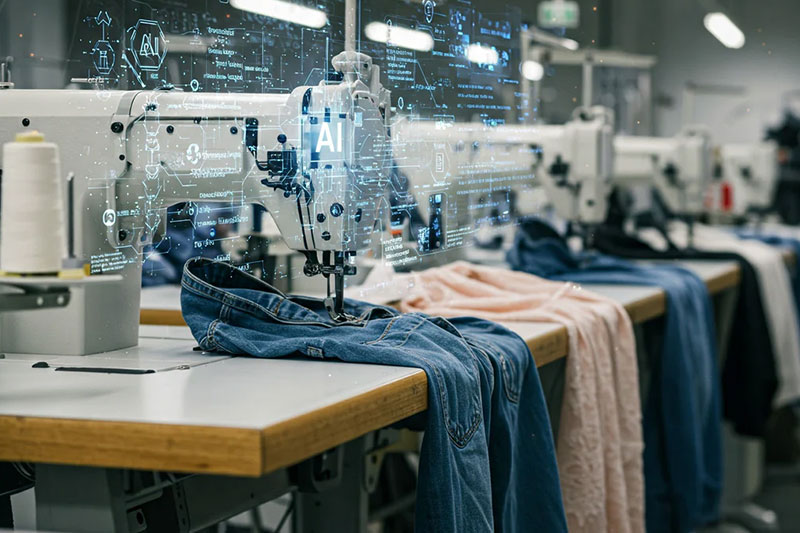
For years, garment and textile production revolved around bulk orders, long lead times, predictable cycles, and standardized processes. But the industry we see today looks nothing like that—because the market it serves has changed entirely.
Fashion trends move faster. Consumers expect more variety. Brands want to reduce inventory risks. Retailers need instant replenishment. And manufacturers are under pressure to deliver all of this with greater efficiency, transparency, and sustainability.
This shift has pushed the entire ecosystem toward small-batch, fast-turnaround manufacturing—a production model where flexibility, speed, and precision matter more than sheer volume.
For technology vendors, machinery manufacturers, digital solution providers, finishing innovators, and textile processors, this shift is not merely a trend. It’s an opportunity to redefine value.
So, what exactly is driving this transformation? And most importantly—what should tech vendors know to stay ahead?
Let’s break it down.
Why Small-Batch Manufacturing Is the New Normal
1. Fashion cycles are shorter than ever
A decade ago, brands planned collections months or even a year in advance. Today, micro-collections and “drops” dominate the retail calendar. Trends emerge from social media overnight. A design worn by a celebrity today becomes a global demand pattern tomorrow.
Manufacturers must quickly produce smaller quantities, test the market, and scale only when needed.
2. Brands want to reduce inventory pressure
Overproduction has become one of the industry’s biggest cost burdens. Retailers don’t want warehouses full of unsold stock. Instead, they prefer faster, smaller runs that match real-time demand.
This creates consistent demand for:
- Quick sampling
- On-demand production
- Short-run manufacturing
3. Customisation is booming
From personalized prints to made-to-measure fits, customers want individuality. Small-batch setups make this easier, more efficient, and more profitable.
4. Export buyers want agility
International buyers expect their suppliers to be responsive, flexible, and capable of quick replenishments, especially in categories like:
- Fashion apparel
- Athleisure
- Kidswear
- Corporate uniforms
- Denim lifestyle
This has fundamentally changed how factories choose machinery and technology.
What Small-Batch Production Means for Tech Vendors
For machinery and technology providers, the shift to smaller, quicker cycles opens a world of opportunity—provided the solutions they offer are aligned with this new manufacturing reality.
Here are the key points vendors must keep in mind.
1. Speed Is Important — But Flexibility Is Critical
Earlier, factories invested in machines built purely for speed. Today, the smarter investment is a machine that can switch styles, fabrics, and operations without losing efficiency.
Buyers now ask:
- “How fast can I set it up for a new style?”
- “Is it easy to recalibrate?”
- “How quickly can operators learn it?”
- “Can it handle multiple fabric types?”
- “Does it reduce dependency on highly skilled labour?”
Machines that offer:
✔ Quick changeovers
✔ Modular attachments
✔ Preset programs for different styles
✔ Adaptive controls
…are becoming essential for small-batch lines.
If your technology simplifies switching from one order to the next, you’re automatically ahead.
2. Digital Tools Are Becoming Non-Negotiable
Small-batch manufacturing thrives on precision, planning, and communication. That’s why digital tools—once considered optional—are now becoming key purchase drivers.
Tech that’s gaining massive traction:
- CAD systems for quick pattern creation
- Automated marker making to reduce wastage
- 3D virtual sampling to eliminate reworks
- Production planning software
- Fabric inspection and quality control systems
- Real-time factory monitoring (IoT/IIoT)
Factories cannot afford repeated sampling, delays, or errors in short runs. Digital tools minimise these, making them indispensable.
For vendors, this presents a clear direction:
Integrate technology that reduces sampling cycles and increases first-time-right output.
3. Automation Helps Solve the Skilled Labour Challenge
Whether it’s sewing, spreading, cutting, washing, finishing, or packing, factories everywhere face the same concern: skilled labour shortages.
Small-batch production amplifies this challenge because:
- Frequent style changes require adaptable operators
- Re-training takes time
- Repetitive tasks reduce efficiency
Automation—whether partial or full—plays a vital role here.
Solutions that are in high demand:
- Automated cutting and spreading systems
- Sewing automation modules
- Robotic material handling
- Auto-loading/unloading units
- Automated embellishment solutions (DTF/DTG/laser)
- AI-powered quality checks
Buyers especially look for machinery that reduces dependency on operator skill levels while improving accuracy.
If your technology improves consistency without relying heavily on human expertise, you’re solving one of the biggest pain points of small-batch manufacturers.
4. Sampling Rooms Need Their Own Technology
Small-batch manufacturing means faster sampling cycles. Brands want:
- Prototype in a day
- Approval in hours
- Production immediately after
This requires standalone sampling solutions—compact, efficient, and quick-to-run.
Tech vendors can focus on equipment that offers:
- Smaller footprints
- Lower running costs
- Rapid prototyping features
- Print-on-demand capabilities
- Seamless connection to production machinery
If you provide machinery or tech that compresses sampling-to-production time, you directly align with buyers’ needs.
5. Sustainability Matters Even in Small Runs
Fast production shouldn’t mean higher environmental costs. Brands want small-batch manufacturing that is:
- Less water intensive
- Less energy heavy
- Lower in chemical usage
- Higher in recycling/reusability
- Compliant with global standards
Machinery that optimizes consumption—even for short cycles—has a competitive edge.
For example:
- Low-liquor dyeing
- Ozone and laser finishing
- Digital printing with minimal waste
- Auto chemical dosing systems
- Energy-efficient dryers and curing machines
Sustainability isn’t an add-on feature anymore—it’s a major buying filter.
6. Maintenance, Support & AMC Have Become Key Decision Factors
In a flexible, fast-moving production environment, downtime is a disaster. Factories don’t just look at the machine—they look at the vendor’s reliability.
What buyers want:
- Quick-service support
- Readily available spares
- Remote diagnostics
- Preventive maintenance alerts
- Strong AMC plans
Small-batch factories work on tight delivery windows. Vendors who promise uptime and reliability become long-term partners.
7. ROI Is Measured in Months, Not Years
Manufacturers investing in small-batch setups look for short-term returns because:
- Orders are smaller
- Margins are tighter
- Competition is high
- Turnaround times are shrinking
So machinery ROI needs to be:
- Fast
- Tangible
- Easy to calculate
- Directly linked to productivity gains
Tech vendors who communicate realistic, data-backed ROI become more attractive to buyers.
8. Customisation-Friendly Machinery Has a Huge Advantage
Small runs often involve:
- Varied designs
- Special finishes
- Custom sizing
- Personalization
- Embroidery and embellishment additions
Technology that supports short, diverse, customizable production becomes a preferred option.
High-demand categories include:
- DTF and DTG printing
- Laser engraving and cutting
- Digital embroidery
- Automated patches and appliqué systems
If your technology helps factories offer more variety without slowing down, it fits perfectly into the small-batch model.
So, What Should Tech Vendors Do Next?
The industry is evolving quickly—and buyers expect vendors to evolve with it.
Here’s what forward-thinking tech suppliers are doing:
✔ Redesigning machines for agility rather than scale
✔ Integrating digital tools for faster decision-making
✔ Adding automation modules
✔ Developing sustainable, resource-efficient machinery
✔ Offering strong after-sales and AMC plans
✔ Creating sampling-room-specific solutions
✔ Strengthening training and onboarding support
✔ Helping clients adapt their production flow for smaller runs
The vendors who understand that flexibility, speed, and precision matter more than pure capacity will become the industry’s most sought-after partners.
Final Thought
Small-batch, fast-turnaround manufacturing isn’t a temporary shift—it’s the new backbone of modern textile and apparel production. For technology providers, this transformation opens opportunities to innovate, differentiate, and deliver solutions that genuinely impact the way factories operate.
Buyers today want partners who can help them stay agile, competitive, and future-ready.
If your products, technology, and expertise support that journey, you’re already aligned with the future of manufacturing.


More News
How Modular Manufacturing Is Transforming Apparel SMEs in India
The Indian apparel industry has always been defined by its agility. From powering global fast-fashion cycles to supplying specialised categories for niche…View More

Smart Factories: How Automation & Software Are Transforming Textile Manufacturing
Smart Factories are no longer a futuristic concept; they are rapidly becoming the foundation of modern textile manufacturing. By integrating automation, robotics,…View More
Smart Machines, Smarter Business – Functional and Technical Machines Creating New Opportunities in Apparel
The apparel industry is no stranger to reinvention. From the earliest handlooms to the modern factory floor, every era has been defined…View More

Rural India’s Design Labs: Where Craft Meets Contemporary
The overlooked rise of design innovation beyond urban India In the vast, textured fabric of India's garment and fashion industry, the story…View More

India’s Evolving Role in Global Apparel Supply Chains
In the last few years, global apparel supply chains have been tested like never before. From pandemic-related disruptions to rising geopolitical tensions…View More

